
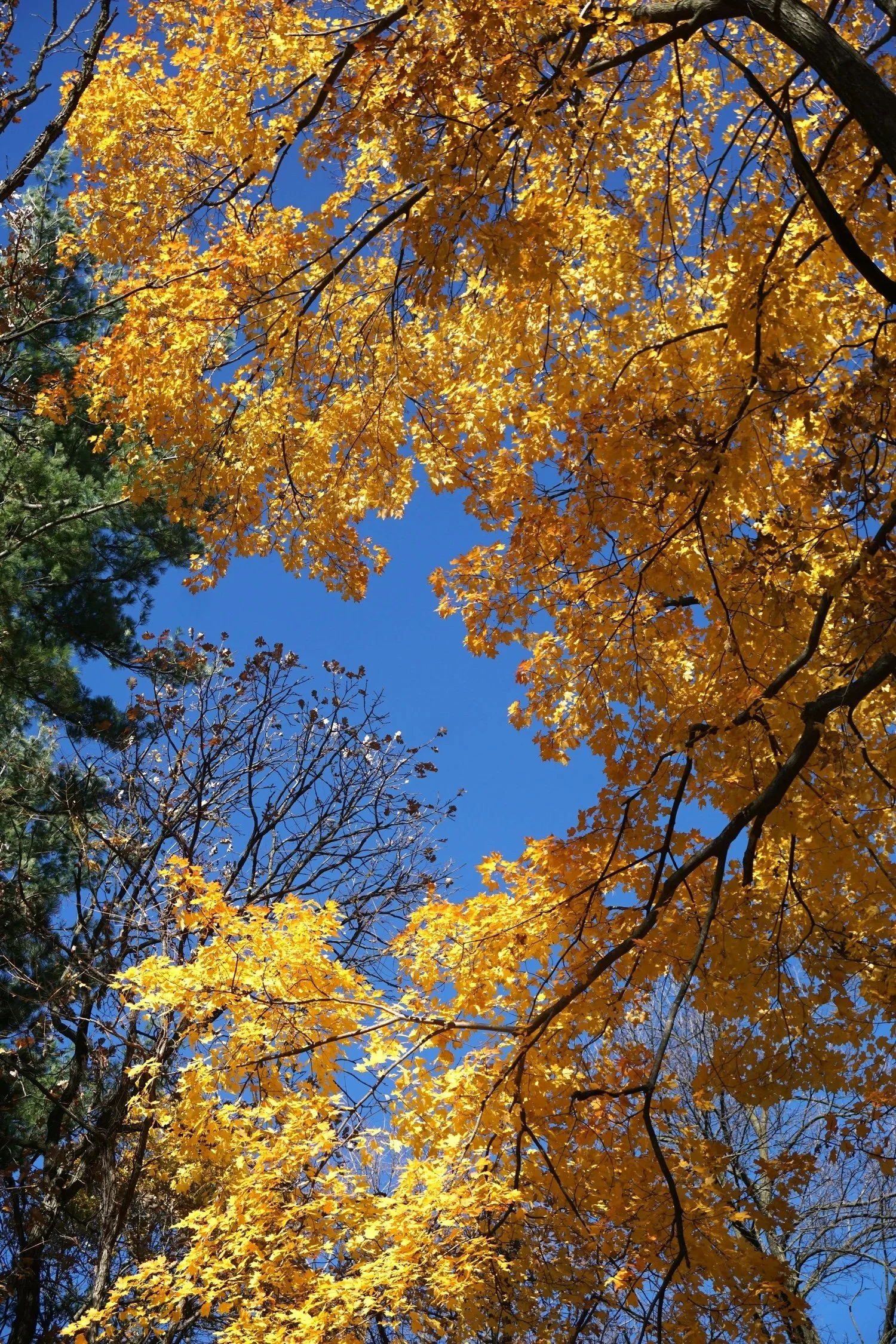
Glimmers are brief, ordinary moments that cue your nervous system toward safety and calm rather than threat. Examples of glimmers include a certain slant of evening light, the sound of a river, a text from an old friend, or the feel of a full exhale. This article lists 30 of them, grouped into five categories so you can find the kind that comes easiest to you.
Around Bozeman and Missoula, they are not hard to find. The hard part is noticing them on purpose, and that is a skill you can practice.
Key takeaways
Glimmers are small cues of safety and ease. The term comes from Deb Dana's work in polyvagal theory and is everyday language, not a diagnosis or treatment.
Most glimmers fall into five groups: sensory, connection, place, body, and memory.
Noticing one to three a day, and pausing with each for ten to twenty seconds, is enough to start.
Glimmers are personal. Treat this list as a starting point, not a scorecard.
If nothing on the list lands, that is useful information too, and therapy can help.
What counts as a glimmer?
A glimmer is any small moment your body registers as safe, pleasant, or settling, often before your thinking mind has named it. The term was coined by clinician Deb Dana in her work on polyvagal theory, and it describes a real, felt shift, not a formal DSM-5 concept or a standalone treatment. Think of it as a name for something you already experience, offered so you can catch it more often.
The science behind why these moments matter is covered in depth in our guide Finding Your Glimmers: Small Moments That Spark Joy and Safety, and an earlier companion piece from a Missoula trauma therapist connects glimmers to how the body responds under stress. If you want the why, start there. This article does a different job: it is a working list of 30 concrete examples you can carry into an ordinary week.
Sensory glimmers: light, sound, and scent
Sensory glimmers are moments when something you see, hear, smell, or taste briefly settles your attention and your body at the same time. These are usually the easiest place to start because the outside world does most of the work.
The last light on the mountains. On winter evenings the peaks east of town hold a pink glow for a few minutes at dusk. You do not have to hike anywhere; the view from a parking lot counts.
Moving water. The sound of a river or creek working through rocks holds attention gently without demanding it. Many people find it easier to breathe near water before they understand why.
Rain on the roof once you are already inside. The glimmer is the contrast: weather happening, and you warm and dry in the middle of it.
Pine or sage on warm air. Scent reaches the brain fast and asks nothing of you. A trailhead in July does this work for free.
A chickadee calling in January. One small, busy sound in a cold, quiet landscape. It is a cue that life is carrying on, and so are you.
Snow squeaking underfoot. Crisp, rhythmic, and specific to the coldest mornings. A sound like this gives a restless mind one clean thing to track.
Connection glimmers: people and animals
Connection glimmers are brief signals that you are known, welcome, or simply in good company, and they often register in the body as warmth or loosening. They do not require deep conversation, and if being around people feels complicated right now, the animal entries below still count. For many people, they are the easier door.
A text that says "this made me think of you." Someone carried you around in their head without being asked to.
Being remembered in detail. A friend asks how the appointment went, or a coworker remembers your dog's name. Small accuracy is a sign of real attention.
Comfortable silence. Riding in a truck with someone and feeling no pressure to fill the quiet.
An inside joke landing. Two words, and shared history does all the rest.
Watching two people you love get along. Your kid and your parent laughing in the kitchen, or your best friend and your partner picking up their own conversation.
A stranger's dog saying hello on the trail. Brief, uncomplicated goodwill from another creature.
Place glimmers: spots that settle you
Place glimmers happen when a familiar or open space tells your body it can stand down for a moment. Returning to the same spot again and again tends to strengthen the effect rather than wear it out.
The trail opening onto a view. After the switchbacks, the valley. Your body often marks the shift before you have words for it.
Pulling into your own driveway after time away. The quiet recognition of "this is mine, and I get to stop now."
One corner of home that stays yours. A reading chair, a workbench, the good end of the couch. Small territory, reliably held.
The library. Quiet, shared, and low stakes. Nobody there needs anything from you.
Watching a storm cross the valley from a doorway. Big weather at a safe distance may be one of the oldest glimmers there is.
A bench you think of as yours. By the river, outside the bakery, at the edge of a park. Coming back to it tells your body the routine still holds.
Body glimmers: cues from the inside
Body glimmers are moments when your own physiology briefly shifts toward ease, and catching the shift can extend it. Long stress keeps muscles braced and attention narrow, which is part of how stress affects the body, so these cues are worth learning to feel.
The exhale you did not plan. A long sigh that arrives on its own is your nervous system downshifting. Noticing it lets it finish.
Shoulders dropping. Often it happens the moment you step outside, or right after a hard conversation ends. Catch the drop and stay with it a beat.
Pleasant tiredness after physical work. Splitting wood, moving irrigation line, a long day in the garden: heaviness in your limbs that feels earned rather than drained.
The jaw unclenching. You cannot always relax on command, but you can notice the moment tension leaves on its own.
Cold water on your wrists on a hot day. Fast, physical, and surprising in a good way.
Your heartbeat settling as you get into bed. The day's pace finally matching the body's.
Memory glimmers: objects, photos, and stories
Memory glimmers use something you can see or hold to bring a felt sense of connection into the present moment. They tend to be the most personal category on this list. If a memory carries some grief along with the warmth, that does not disqualify it; many of the strongest glimmers are bittersweet.
Handwriting from someone you love. A note in a lunch bag, a card kept in a drawer, a recipe in your grandmother's hand.
A photo resurfacing from a genuinely good day. Not curated nostalgia. The real thing, confirmed.
Using something inherited. The cast iron pan, the fly rod, the quilt. Ordinary objects carrying a person forward.
Campfire smell out of season. A jacket that spent a weekend near the fire can hand you back a whole summer.
A story that always gets the laugh. Retelling it counts, and so does hearing your family reach for it again.
Noticing that something hard has gotten easier. The drive you used to dread, the anniversary that hurt less this year. Quiet evidence of your own repair.
How to use these glimmers examples
The simplest way to use this list of glimmers examples is to pick one or two categories and let them prime your attention for a week. You are not hunting for peak experiences; you are training your attention to register small good ones that were already happening. Trying to track all thirty at once usually backfires; attention works better with a narrow assignment.
When one shows up, give it ten to twenty seconds of plain attention before moving on. Say what is happening in ordinary words: warm, quiet, easier. If it helps, keep a low-effort record, such as a three-word note in your phone, and look for patterns in which categories and places keep appearing. Noticing works best alongside the basics of caring for your mental health: sleep, movement, and time with people.
After a week or two, start building your own list. Three prompts can get it going: Where were you the last time you exhaled without meaning to? What spot do you return to when a day goes sideways? Whose handwriting would stop you mid-task? Write down whatever surfaces, even if it seems too small to count. The examples that come from your own life will outwork anything on this page, because your nervous system already trusts them.
Two things to avoid. Do not turn the list into homework; a forced glimmer is just another task. And do not treat a blank day as failure. If your attention keeps snapping back to threat no matter what you practice, that is often how a nervous system behaves after long stress, and anxiety counseling can help you work with it rather than against it. Glimmers also pair well with the skills in our post on nervous system regulation techniques, and with the window of tolerance, a framework for understanding the zone these moments help you return to.
Category: Sensory (1 to 6)
What it draws on: Light, sound, scent, taste
A good time to look: Transitions: stepping outside, driving, chores
Category: Connection (7 to 12)
What it draws on: People, pets, brief goodwill
A good time to look: Workdays, errands, texts and calls
Category: Place (13 to 18)
What it draws on: Familiar or open spaces
A good time to look: Commutes, weekends, coming home
Category: Body (19 to 24)
What it draws on: Breath, muscle tone, warmth, rhythm
A good time to look: Evenings, and right after stress passes
Category: Memory (25 to 30)
What it draws on: Objects, photos, stories
A good time to look: Quiet moments at home
Frequently asked questions
How many glimmers should you try to notice in a day?
One to three is plenty. The practice depends on the pause, not the count, and a single moment given real attention does more than ten noted in passing. Many people find that after a few weeks of noticing a small number on purpose, they start catching others without trying.
Are glimmers the same as a gratitude practice?
They overlap but are not identical. Gratitude is usually reflective: you look back and name what you appreciate. A glimmer is caught in real time, and the emphasis is on what your body feels in the moment rather than on judging the moment as good. Many people do both.
What does it mean if you cannot find any glimmers?
Usually it means your nervous system has been running on alert for a long time, which makes cues of safety hard to register. That is common after chronic stress or trauma, and it tends to change with practice and support. A therapist can help you rebuild the capacity gradually.
Do glimmers have to be new or special experiences?
No. Repetition is part of the point. The same bench, the same birdsong, and the same evening light can work every time, and familiar moments are often easier for the body to trust than novel ones. A glimmer does not wear out the way a treat does.
Is there scientific research behind glimmers?
The term comes from Deb Dana's clinical work with polyvagal theory rather than from a specific trial, so glimmers are not a tested treatment on their own. That said, research consistently links noticing positive everyday moments with better mood and lower stress, and therapists use the concept because it makes that habit concrete.
Support for a steadier nervous system in Bozeman and Missoula
If most of your days feel like one long alert, a list like this can be a starting point, but you do not have to rebuild a sense of safety on your own. Our clinicians at Bridger Peaks Counseling work with people across Montana who want to feel settled in their own lives again, including through trauma therapy when old experiences keep the body braced.
We offer in-person sessions in Bozeman and Missoula, along with online therapy statewide. When you are ready, reach out through our contact page and we will help you find a therapist who fits.